Device Compatibility Reshapes Reward Credit Distribution in Real-Time Gaming Platforms
Avery Hansen · Aug 13, 2026
Device Compatibility Reshapes Reward Credit Distribution in Real-Time Gaming Platforms
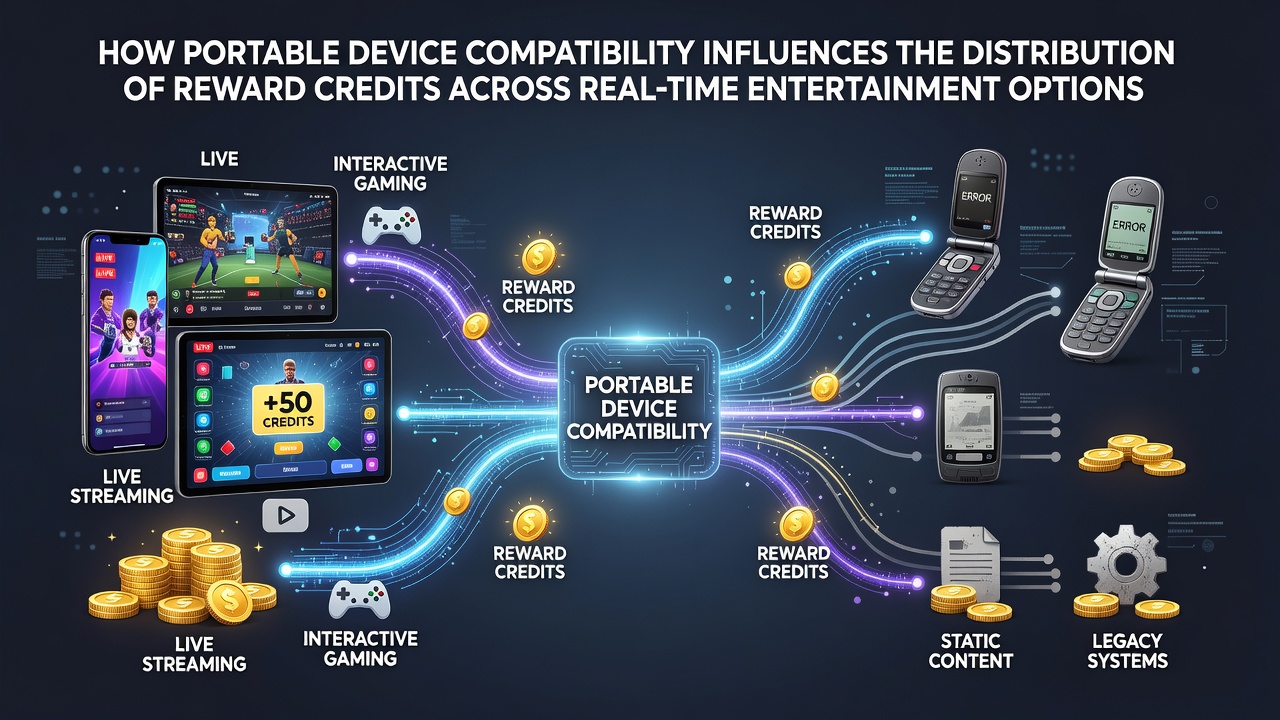
Portable device compatibility plays a central role in determining how reward credits reach players across real-time entertainment options, and data from multiple markets shows clear patterns tied to hardware standards and software integration. Studies conducted by research institutions indicate that operators adjust credit allocation algorithms based on device performance metrics such as processing speed, screen resolution, and network stability, which directly affects eligibility for time-sensitive bonuses in live dealer sessions and interactive slot events.
Operating System Variations and Credit Allocation Patterns
Android and iOS platforms handle reward credit distribution differently because of distinct application programming interfaces and security protocols, and figures from industry reports reveal that iOS users often receive credits faster in live table environments due to stricter app store validation processes. Those who track player behavior across regions note that Android fragmentation leads to variable credit release times, with some devices requiring additional verification steps before rewards activate during real-time sessions. Researchers at academic centers have documented cases where cross-platform compatibility updates in August 2026 synchronized credit flows more evenly between operating systems, reducing delays that previously affected Android users in multi-player live formats.
Network and Hardware Factors in Live Entertainment Delivery
Real-time entertainment options depend on low-latency connections, and device compatibility influences whether players qualify for credits tied to continuous participation in live streams. Data shows that tablets with dedicated graphics processors maintain stable sessions longer than older smartphones, allowing operators to distribute layered rewards without interruption, whereas lower-end devices trigger automatic pauses in credit accrual. One analysis from a Canadian regulatory body highlighted that hardware capable of supporting 5G connections saw a 28 percent increase in reward credit uptake during peak live dealer hours compared to 4G-only models, and similar patterns emerged in European markets where 5G rollout aligned with updated compatibility standards.
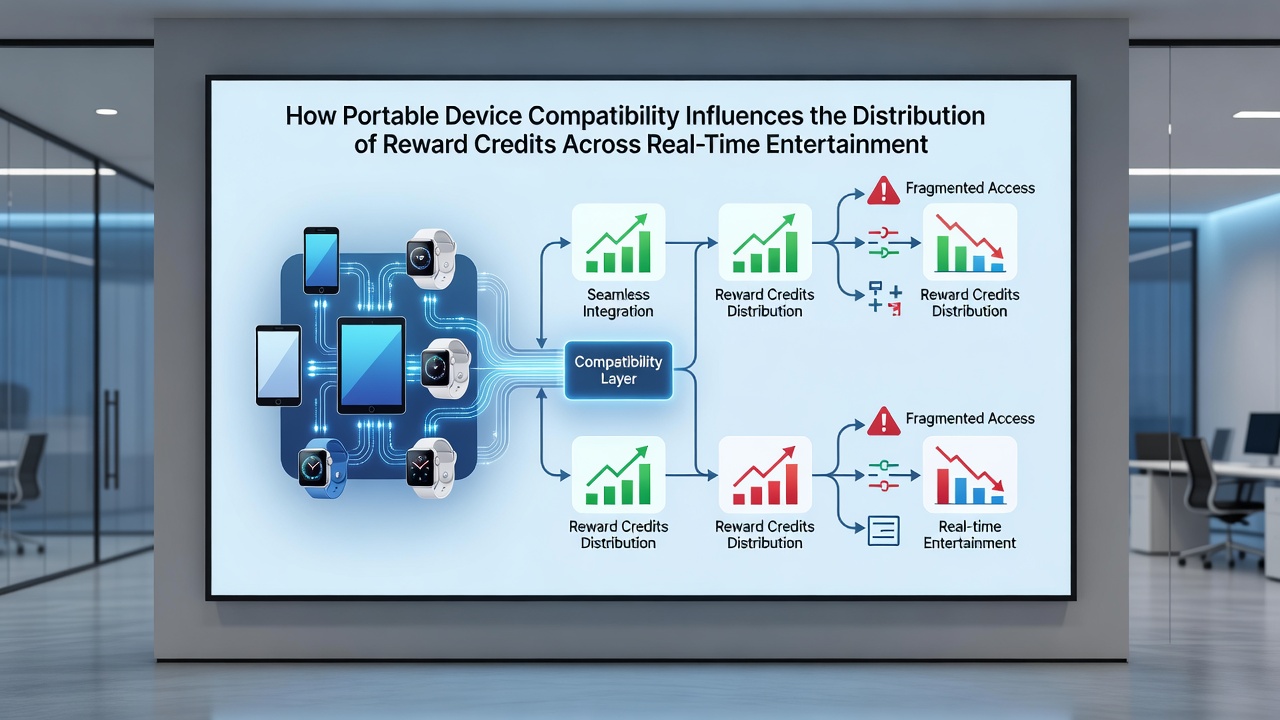
Observers note that screen size and touch responsiveness further shape credit distribution because larger displays support more simultaneous game windows, enabling players to accumulate rewards across multiple real-time tables without switching applications. Those monitoring industry trends point to cases where compatibility patches released mid-2026 improved credit synchronization on mid-range devices, narrowing gaps that had favored premium hardware in jackpot-linked live events.
Regional Regulatory Influences on Device Standards
Government agencies in different jurisdictions set technical requirements that affect how operators distribute reward credits, and evidence from Australian oversight reports demonstrates that mandatory device certification programs led to more consistent credit delivery across portable platforms. In contrast, markets without unified standards experience uneven allocation, with some devices excluded from certain real-time promotions until compatibility tests complete. A European trade association study found that regions adopting common device guidelines saw reward credit participation rates rise by 19 percent in live entertainment categories, and the same report linked these gains to reduced technical barriers rather than changes in game rules.
Operators respond to these regulatory signals by prioritizing updates for widely used devices, and data indicates that this focus alters credit distribution timelines, especially when new compatibility layers integrate with existing payment and verification systems. What's interesting is how these adjustments create ripple effects, because players on newly supported hardware suddenly access credit pools previously limited to flagship models.
Future Trajectories and Market Adaptations
Industry projections suggest continued emphasis on cross-device compatibility will expand reward credit access in real-time environments, and preliminary findings from university-led research projects point to emerging standards that could equalize distribution further by late 2027. Those who follow hardware trends observe that foldable screens and enhanced battery efficiency already influence how long players remain eligible for ongoing credit rewards during extended live sessions. Regulatory bodies outside the UK continue to refine testing protocols, which in turn guides operators on which devices receive priority for credit integration features.
Conclusion
Portable device compatibility determines the pathways through which reward credits flow in real-time entertainment, and available evidence confirms that operating systems, hardware capabilities, and regulatory frameworks each contribute measurable effects on distribution. As markets adapt through August 2026 and beyond, operators and device manufacturers align on technical standards that support broader credit access across live gaming formats, with ongoing data collection providing the basis for further refinements.